
Clinical Library · Liver & Gut
Liver Health Supplements: What Actually Helps
A plain guide to liver health supplements in India — the actives with real evidence behind them, how to read a label properly, and where everyday nutrition does more than any capsule.
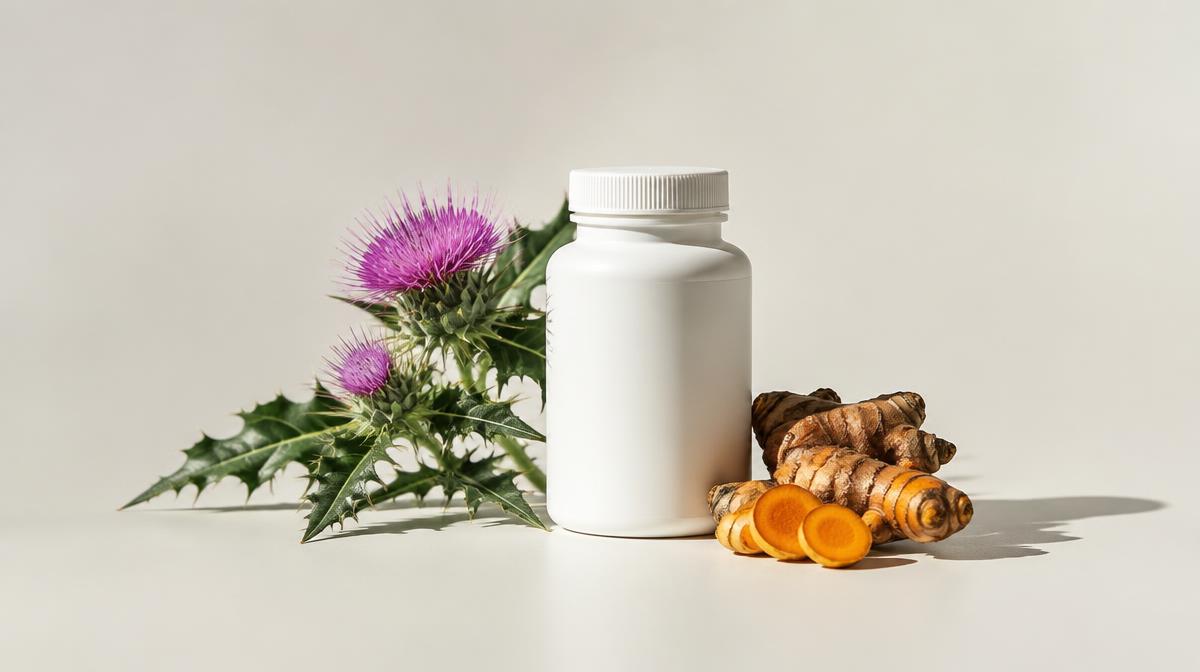
What your liver is already doing
Your liver filters, converts and neutralises around the clock — alcohol, medication, hormones and the ordinary by-products of metabolism all pass through it. It is not a filter that clogs and needs rinsing; it is a working organ that performs better or worse depending on the load you place on it and the nutrition you give it.
That reframes the whole question. The useful question is not "how do I flush my liver", it is "what is my liver short of, and what am I asking it to process every day". Answer that honestly and the role of a supplement becomes much clearer — and much smaller than most packaging suggests.
When a liver supplement is genuinely useful
Not everyone needs one. It earns its place when one or more of these describe your last few months:
- A routine that regularly includes alcohol, late dinners or fried food
- A fatty liver note or raised enzymes on a routine blood test
- Long desk hours, high stress and very little movement through the week
- Persistent bloating or heaviness after meals, which points at the gut side too
- A diet low in vegetables, fibre and antioxidant-rich foods for months at a stretch
If you recognise several of these, start with the habit side — our Indian fatty liver diet plan and sluggish liver guide cover it in detail — then decide whether a supplement adds anything on top.
The five actives worth looking for
NAC (N-Acetyl Cysteine)
The precursor the body uses to make glutathione, its main internal antioxidant. Well studied, well tolerated and easy to verify on a label because it is listed in plain milligrams.
Silymarin (milk thistle), liposomal
The most researched botanical for liver cell support. Plain silymarin absorbs poorly, so the delivery form matters as much as the amount.
Alpha-lipoic acid
An antioxidant that works in both water and fat environments and supports the recycling of other antioxidants.
Curcumin, liposomal
Ordinary turmeric powder barely reaches the bloodstream. A liposomal form exists specifically to solve that absorption problem.
A named multi-strain probiotic
The gut and liver share a blood supply. Strains should be named and enteric-protected, with the CFU count stated rather than implied.
Two of these — silymarin and curcumin — are absorbed so poorly in their plain form that the delivery form is not a detail, it is the whole point. Our guide to curcumin bioavailability explains why the same milligram number can mean very different things.
The gut half of the story
Roughly 70% of the blood arriving at your liver comes straight from the intestine. When the gut barrier is irritated, the liver deals with more of what passes through it. That is why a liver formula that ignores the microbiome is solving half a problem — and why a named, enteric-protected probiotic belongs on the label rather than in the marketing copy.
The gut-liver axis explainer walks through the mechanism, and our probiotic buying guide covers how to judge strains and CFU counts.
How to read the label in ninety seconds
- Every active listed with its own amount — not hidden behind a proprietary blend
- The delivery form named where it matters (liposomal silymarin, not just milk thistle)
- A probiotic listed by strain name and CFU count, not as generic probiotic blend
- Manufacturing details: GMP certification and third-party batch testing
- A realistic daily dose — one serving a day you will actually keep up for months
Five things that should put the bottle back
- Three-day or seven-day cleanse kits — the liver does not work to a countdown
- Claims to cure, reverse or treat a liver condition, which no supplement is allowed to make
- Long ingredient lists at token amounts, added for the label rather than the effect
- No mention of absorption for actives that are famously poorly absorbed
- No testing or manufacturing information anywhere on the pack or the website
Nutrition first, always
Before any capsule: fewer fried items and refined carbohydrates, less alcohol, more vegetables and dals, real fibre, coffee if you drink it, and a walk most days. These are the levers with the strongest evidence behind them, and they cost nothing. A supplement layered on top of good nutrition is support; a supplement layered on top of nothing is a placebo with a price tag.
Consistency beats intensity. Eight weeks of an ordinary, sustainable routine does more for liver wellbeing than a dramatic fortnight followed by a return to the old pattern.
Where Liver Biome Plus fits
If you hold our own formula up against the checklist above, that is exactly what it was built from: Liver Biome Plus carries NAC 600 mg, liposomal milk thistle at 350 mg silymarin equivalent, liposomal curcumin 100 mg, liposomal alpha-lipoic acid 100 mg and a 10 billion CFU multi-strain probiotic, every amount printed on the pack. One serving a day, with a meal.
If you are still comparing brands, our liver detox supplement buyer's guide goes deeper on how to compare two labels side by side.
Frequently asked questions
Do liver health supplements actually work?
A well-formulated one can support the liver's own antioxidant and detoxification pathways — that is what the research on NAC and silymarin describes. What no supplement does is undo a diet, alcohol intake or weight pattern that is loading the liver in the first place. Nutrition and daily habits do the heavy lifting; the supplement supports them.
Which ingredients matter most in a liver supplement?
NAC, silymarin from milk thistle in a liposomal form, alpha-lipoic acid, curcumin in an absorbable form, and a named multi-strain probiotic for the gut side of the gut-liver axis. Each should be listed with its exact amount on the label.
How long before a liver supplement makes a difference?
Give it 8 to 12 weeks of daily use alongside dietary changes. The liver regenerates and adapts over weeks and months, not days, so anything promising a result in a week is selling a story rather than nutrition.
Is a liver supplement safe to take every day?
At standard supplemental doses, actives like NAC and silymarin have a long history of daily use and are generally well tolerated. Anyone on prescription medication, with gallbladder disease, or who is pregnant or breastfeeding should check with a doctor first.
Are liver supplements useful for fatty liver?
They are studied as support alongside the things that actually shift fatty liver — weight, sugar intake, alcohol and movement. Treat a supplement as one part of that plan and stay under a doctor's care for a diagnosed fatty liver.
What is the difference between liver detox and liver support?
Mostly marketing. Detox suggests a flush; support describes what a good formula does, which is supply the nutrition your liver's own pathways run on. Read the ingredient list, not the word on the front of the bottle.
Should a liver supplement include a probiotic?
There is a strong case for it. Around 70% of the blood reaching the liver arrives from the gut, so gut barrier health directly affects the load the liver carries. A named, enteric-protected multi-strain probiotic addresses that side.
Can I get the same benefit from food alone?
Food comes first — cruciferous vegetables, dals, fruit, coffee, less fried food and less alcohol all matter more than any capsule. A supplement fills the gaps that everyday nutrition rarely covers consistently, particularly the antioxidant actives at studied amounts.
The formulation behind this article
Liver Biome Plus
Liposomal liver actives + a targeted gut biome stack
N-Acetyl Cysteine (NAC)
600 mgForm used: N-acetyl cysteine, 600 mg (standard, non-liposomal)
Direct precursor to glutathione, the body's master antioxidant. The clinical standard for liver protection and Phase II detox.
Liposomal Milk Thistle (Silymarin)
350 mg EqForm used: Liposomal silymarin, 350 mg equivalent
Liposomal silymarin (350 mg equivalent), helps stabilise hepatocyte membranes and supports bile flow and hepatic resilience.
Liposomal Curcumin
100 mgForm used: Liposomal curcumin, 100 mg
Phospholipid-encapsulated curcumin (100 mg), helps support a healthy inflammation response, with markedly higher plasma exposure than plain powder.
Liposomal Alpha-Lipoic Acid
100 mgForm used: Liposomal alpha-lipoic acid, 100 mg
The 'universal antioxidant' both water- and fat-soluble. Recycles vitamins C, E and glutathione.
Probiotic Blend (10B CFU)
10 Billion CFUForm used: Enteric-protected multi-strain consortium, 10 billion CFU
Multi-strain L. acidophilus, B. lactis, L. rhamnosus, for gut barrier integrity and microbial diversity.
Food supplement, not a medicine. Ingredient research describes individual actives and their delivery forms, not finished-product outcomes. Consult a clinician if pregnant, lactating or on prescription medication.
Educational only. This article does not diagnose or treat any liver condition. Speak with a qualified clinician before starting a supplement, especially if you have a diagnosed liver condition, take regular medication, or are pregnant or breastfeeding.