
Fatty Liver and Diabetes: How Liver Fat and Insulin Resistance Are Connected
Learn how fatty liver, insulin resistance, prediabetes and type 2 diabetes are connected — and what steps may support metabolic health.
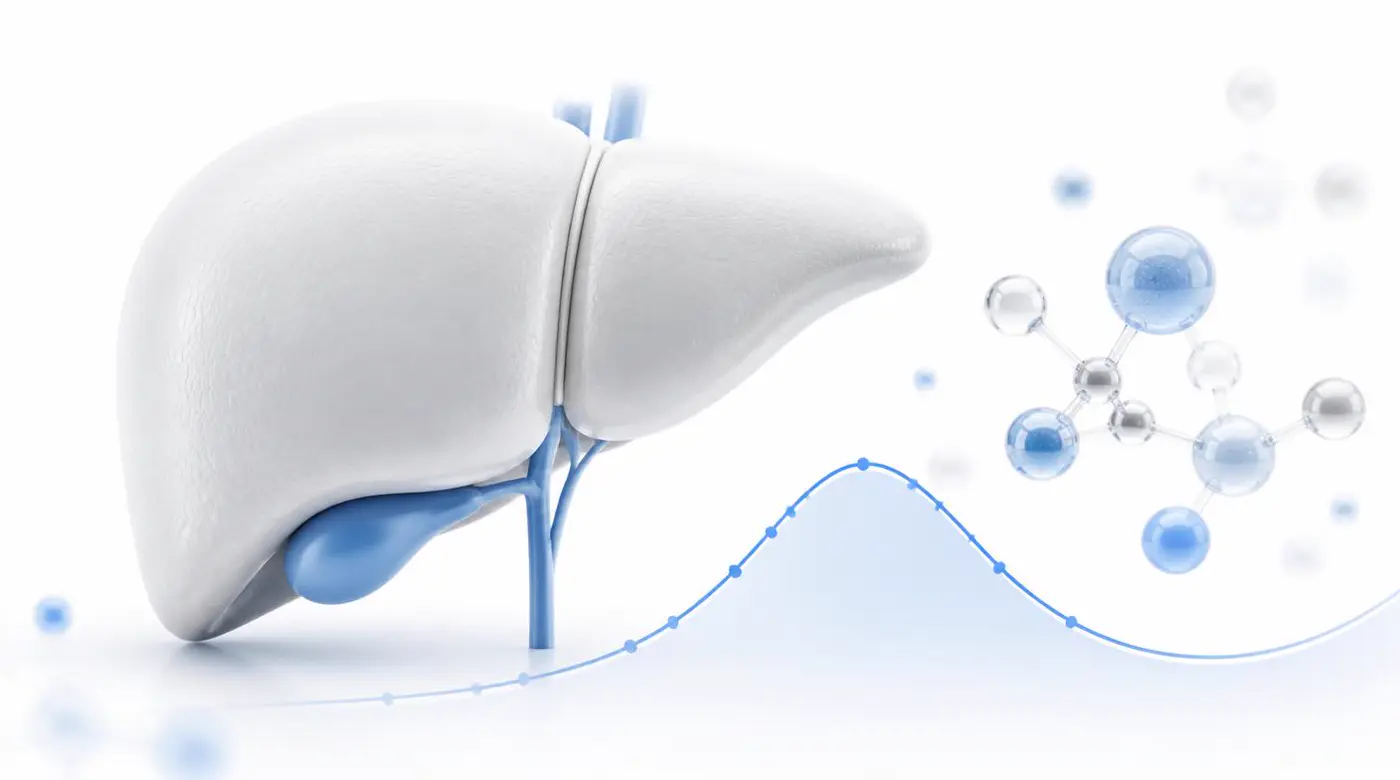
Maybe your ultrasound report says “fatty liver.” Maybe your HbA1c has quietly moved into the prediabetes range. Or perhaps both appeared in the same health check, leaving you with one obvious question: are fatty liver and diabetes connected?
Yes — but not in the simple, one-causes-the-other way that social media often suggests.
Your liver helps manage both fat and blood sugar. When excess fat builds up inside it, the liver may stop responding to insulin as well as it should. At the same time, insulin resistance can make it easier for more fat to collect in the liver. Each problem can feed the other.
That sounds worrying, but it is not a prediction. Fatty liver does not mean diabetes is inevitable. Think of it as a metabolic warning light: a reason to look more closely at blood sugar, cholesterol, blood pressure, sleep and everyday habits with a qualified clinician.
Quick answer: Fatty liver is associated with insulin resistance and a higher risk of developing prediabetes and type 2 diabetes. The relationship also works in reverse: insulin resistance and diabetes can increase the risk of liver-fat buildup.
First, what does “fatty liver” actually mean?
The name is quite literal: fatty liver means excess fat has collected inside liver cells. The form linked with metabolic health is now commonly called metabolic dysfunction-associated steatotic liver disease, or MASLD. You may know it by its older name, non-alcoholic fatty liver disease or NAFLD.
MASLD is commonly found alongside:
- insulin resistance
- prediabetes or type 2 diabetes
- high triglycerides or abnormal cholesterol
- high blood pressure
- excess abdominal or visceral fat
Here is what catches many people off guard: early fatty liver often causes no obvious symptoms. You may feel completely normal and discover it only through a blood test, ultrasound or routine health check.
And what is insulin resistance?
Think of insulin as a signal. It tells your cells to take glucose out of the bloodstream and use or store it. It also tells the liver when to store glucose and when to release it.
With insulin resistance, that signal becomes easier for the body to ignore. Cells in the muscles, fat tissue and liver do not respond as effectively as they should, so the pancreas may compensate by making more insulin. Over time, blood sugar may begin to rise — sometimes moving from the normal range to prediabetes and, in some people, type 2 diabetes.
Insulin resistance is not diagnosed from symptoms alone. A clinician may consider your medical history, waist measurement, blood pressure, lipid profile, fasting glucose, HbA1c and other appropriate tests.
The quiet two-way loop between fatty liver and insulin resistance
The liver works like a metabolic control room. It stores glucose after meals and releases it between meals. When excess fat accumulates inside the liver, that control can become less precise. The liver may continue releasing glucose even when the body already has enough.
At the same time, insulin resistance elsewhere in the body can increase the flow of fatty acids to the liver and encourage the liver to make and store more fat.
Put simply, the cycle can look like this:
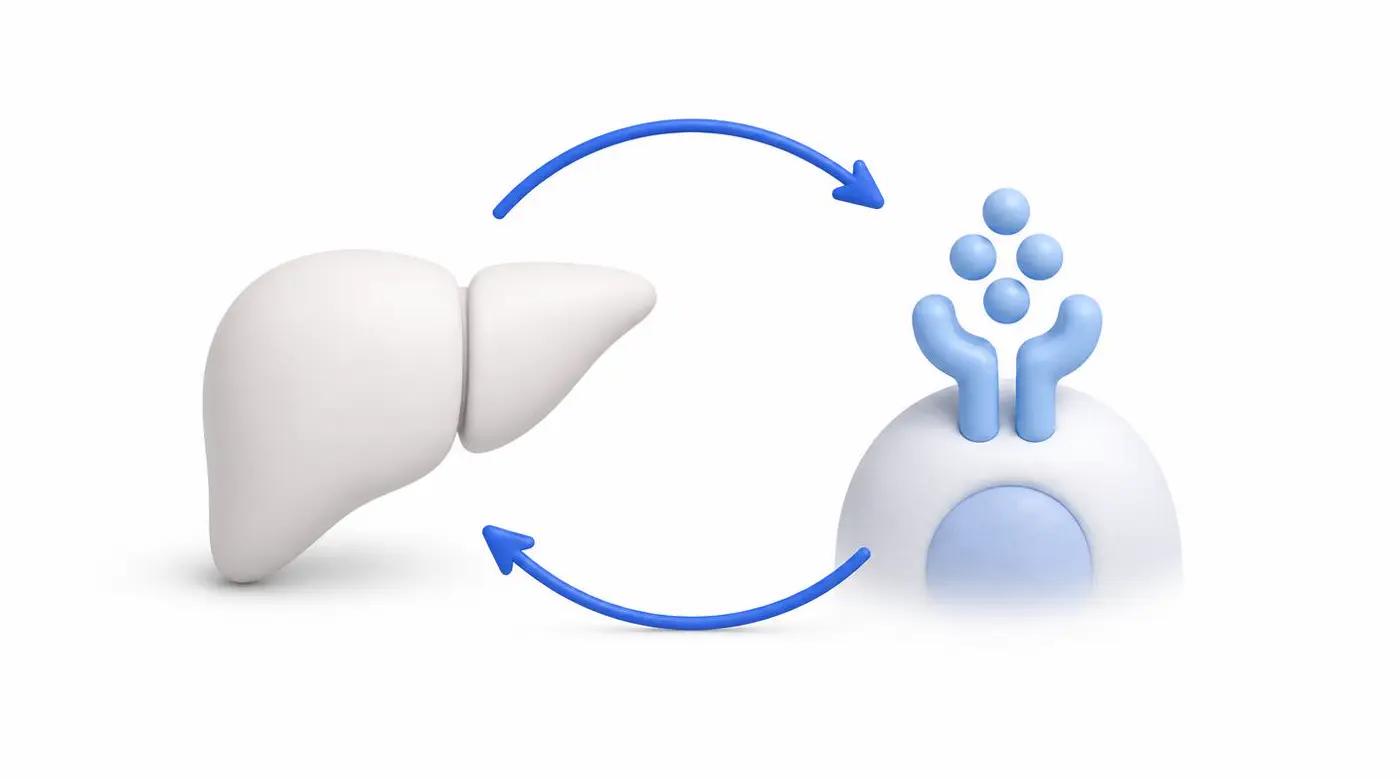
- 1Insulin resistance can promote liver-fat accumulation.
- 2Excess liver fat may worsen the liver's response to insulin.
- 3The liver may release more glucose into the bloodstream.
- 4The pancreas may need to produce more insulin to compensate.
- 5In susceptible people, blood sugar can gradually rise toward prediabetes or type 2 diabetes.
This cycle helps explain the connection, but it does not tell us what will happen to any one person. Genes, sleep, medicines, activity, diet, body-fat distribution and other health conditions all matter too.
Does fatty liver mean diabetes is next?
“Can fatty liver cause diabetes?” is exactly the kind of question people type into Google after reading an ultrasound report. The honest answer is: fatty liver may raise risk, but it is not destiny.
Fatty liver does not act as a single, direct cause of type 2 diabetes. Both conditions share several drivers, including insulin resistance, genetics, abdominal fat, diet, physical inactivity and sleep-related metabolic problems. However, research and clinical guidance recognise MASLD as being associated with a higher risk of prediabetes and type 2 diabetes. In people who already have prediabetes, fatty liver may be a sign of greater metabolic risk.
The relationship also goes the other way. People with type 2 diabetes have a higher likelihood of MASLD, and diabetes can increase the risk that liver disease becomes more serious.
So, is fatty liver a sign of prediabetes? Not necessarily. You can have fatty liver without prediabetes, and prediabetes without fatty liver. But finding either one is a sensible reason to check the bigger metabolic picture with a clinician.
Can fatty liver increase blood sugar?
It may contribute. When the liver becomes less responsive to insulin, it may not turn down glucose production as effectively after a meal or overnight. That can make blood-sugar control harder.
But one high reading cannot tell you that fatty liver is responsible. A poor night’s sleep, illness, stress, medicines and meal timing can all affect blood sugar. Look for patterns with appropriate testing rather than trying to diagnose yourself from one report.
When is the connection worth discussing with a doctor?
You do not need to wait for symptoms. It may be useful to discuss fatty liver and insulin resistance with a clinician if you have one or more of the following:
- prediabetes or type 2 diabetes
- high triglycerides, low HDL cholesterol or other lipid abnormalities
- high blood pressure
- increased waist circumference or visceral fat
- polycystic ovary syndrome (PCOS)
- obstructive sleep apnoea
- persistently abnormal liver enzymes
- a family history of type 2 diabetes or metabolic liver disease
And yes, people in smaller bodies can also develop fatty liver and insulin resistance. A person’s appearance is not a blood test or a liver scan.
What about PCOS, fatty liver and diabetes?
PCOS is often accompanied by insulin resistance and an increased risk of impaired glucose tolerance and type 2 diabetes. Because insulin resistance can also promote liver-fat buildup, some people with PCOS may have overlapping metabolic risk.
PCOS does not automatically mean that someone has fatty liver, and fatty liver does not diagnose PCOS. Each condition needs its own appropriate clinical assessment.
What tests might your doctor discuss?
There is no single “liver and insulin resistance test” that answers everything. Depending on your history and risk profile, a clinician may consider:
- fasting blood glucose
- HbA1c, which reflects average blood glucose over roughly three months
- an oral glucose tolerance test in selected cases
- a lipid profile, including triglycerides and HDL cholesterol
- liver blood tests such as ALT and AST
- abdominal ultrasound or another liver-imaging test
- non-invasive fibrosis-risk assessment when clinically appropriate
One important detail: normal ALT or AST results do not always exclude fatty liver. On the other hand, an elevated ALT or SGPT result does not prove that insulin resistance is the cause. A report needs context.
What can you do for both liver health and blood sugar?
The encouraging part is that liver health and blood-sugar health do not require two completely separate lives. The same foundations often support both. Depending on your needs, a clinician or registered dietitian may recommend:
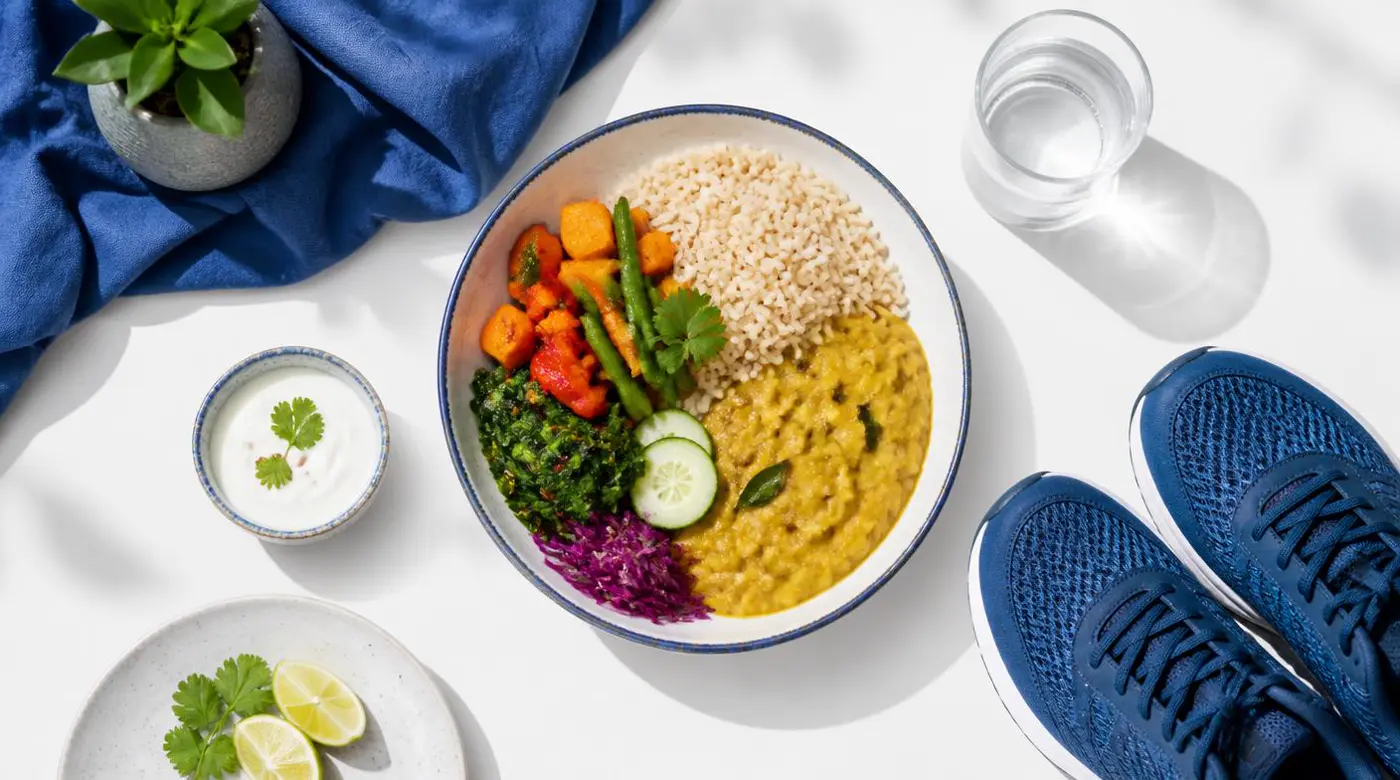
1. Make everyday meals do more of the work
Vegetables, dal and other pulses, whole grains, nuts, seeds and suitable protein sources can form a balanced base. You do not need a mysterious “liver detox diet.” You need an eating pattern you can repeat — and one that fits your medicines, glucose response, activity and health goals.
2. Reduce frequent sources of added sugar
Sugary drinks, sweetened juices and heavily refined snacks can add substantial sugar without much fibre or fullness. Reducing them may support both blood-sugar and triglyceride management.
3. Choose movement you can keep doing
Walking, cycling, swimming and resistance training can support insulin sensitivity. The best routine is rarely the most punishing one. It is the one that still exists a month from now.
4. Skip the crash-diet trap
For people with higher weight, clinically appropriate and sustainable weight loss may reduce liver fat and improve metabolic markers. That does not make extreme diets a shortcut. Prolonged fasting or rapid weight-loss plans may be unsafe, particularly if you take diabetes medicines.
5. Protect sleep and review alcohol intake
Poor sleep and sleep apnoea can affect metabolic health. Alcohol can also contribute to liver injury, so discuss a suitable limit — or whether to avoid it — with your clinician.
6. Take prescribed treatment as directed
Do not stop or replace diabetes, cholesterol, blood-pressure or other prescribed medicines with a supplement. Treatment should be individualised by the clinician managing your health.
Where can TruWe Liver Biome Plus fit?
Let us be clear about the order of importance. Food patterns, physical activity, sleep, clinical monitoring and prescribed care remain the foundations of managing fatty liver, insulin resistance, prediabetes and type 2 diabetes.
TruWe Liver Biome Plus can be considered by adults looking for general nutritional support within a broader liver-wellness routine. Think of it as an optional layer — not the foundation. It is not a treatment for fatty liver, insulin resistance, prediabetes, PCOS or diabetes, and it should never replace medical care or prescribed medicine.
Before using any supplement, check the current label and discuss it with a qualified clinician — particularly if you have diabetes, liver or gallbladder disease; are pregnant or breastfeeding; take blood thinners; or use glucose-lowering medicines.
From the TruWe range
Liver Biome Plus
Liposomal liver actives with a targeted gut biome stack. Review the current ingredients, directions and safety information before use.
Explore TruWe Liver Biome PlusFrequently asked questions
Does fatty liver mean I have diabetes?
No. Fatty liver and diabetes frequently occur together, but neither condition automatically proves that the other is present. Blood-sugar testing is needed to diagnose prediabetes or diabetes.
Does fatty liver mean I will develop diabetes later?
No. Fatty liver is associated with a higher risk of insulin resistance, prediabetes and type 2 diabetes, but progression is not inevitable. Your overall risk depends on multiple factors and may change with appropriate care.
Can fatty liver be reversed?
Liver fat can improve in many people when its metabolic drivers are addressed. The likelihood and extent of improvement depend on the stage and cause of liver disease. Scarring or advanced disease requires specialist assessment.
What is the best fatty liver diet for diabetics?
There is no single diet that suits everyone. A balanced eating pattern built around minimally processed foods, appropriate portions, fibre and suitable protein can help, but the plan should account for glucose-lowering medicines, kidney health and individual nutritional needs.
Is elevated ALT or SGPT related to insulin resistance?
It can be, but these enzymes can rise for many reasons. A clinician should interpret them alongside your history, medicines, alcohol intake, other blood tests and imaging where needed.
Can a liver supplement lower blood sugar?
A supplement should not be assumed to lower blood sugar or treat insulin resistance unless that specific effect is supported and the product is appropriately authorised for it. Monitor blood sugar and use prescribed treatment as directed by your clinician.
The takeaway: treat fatty liver as information, not a verdict
Your liver is more than a “detox” organ. It is one of the body’s main managers of glucose and fat. Fatty liver and insulin resistance can reinforce each other, which helps explain the close relationship between prediabetes and fatty liver, as well as the high frequency of fatty liver in diabetic patients.
The useful message is not “diabetes is coming.” It is “this is worth paying attention to.” A fatty-liver finding can be an early opportunity to look more closely at blood sugar, cholesterol, blood pressure, sleep and other metabolic risks — and to act with qualified medical guidance.
References
- Centers for Disease Control and Prevention. Type 2 Diabetes and Your Liver. cdc.gov
- National Institute of Diabetes and Digestive and Kidney Diseases. Fatty Liver Disease: An Underdiagnosed Complication of Type 2 Diabetes. niddk.nih.gov
- EASL–EASD–EASO. Clinical Practice Guidelines on the Management of Metabolic Dysfunction-Associated Steatotic Liver Disease. PMC11299976
- International Evidence-based Guideline for the Assessment and Management of Polycystic Ovary Syndrome 2023. J Clin Endocrinol Metab
This article is for general education only and is not a substitute for diagnosis or medical advice. Consult a qualified healthcare professional about symptoms, test results, medicines and supplements.
The formulation behind this article
Liver Biome Plus
Liposomal liver actives + a targeted gut biome stack
N-Acetyl Cysteine (NAC)
600 mgForm used: N-acetyl cysteine, 600 mg (standard, non-liposomal)
Direct precursor to glutathione, the body's master antioxidant. The clinical standard for liver protection and Phase II detox.
Liposomal Milk Thistle (Silymarin)
350 mg EqForm used: Liposomal silymarin, 350 mg equivalent
Liposomal silymarin (350 mg equivalent), helps stabilise hepatocyte membranes and supports bile flow and hepatic resilience.
Liposomal Curcumin
100 mgForm used: Liposomal curcumin, 100 mg
Phospholipid-encapsulated curcumin (100 mg), helps support a healthy inflammation response, with markedly higher plasma exposure than plain powder.
Liposomal Alpha-Lipoic Acid
100 mgForm used: Liposomal alpha-lipoic acid, 100 mg
The 'universal antioxidant' both water- and fat-soluble. Recycles vitamins C, E and glutathione.
Probiotic Blend (10B CFU)
10 Billion CFUForm used: Enteric-protected multi-strain consortium, 10 billion CFU
Multi-strain L. acidophilus, B. lactis, L. rhamnosus, for gut barrier integrity and microbial diversity.
Food supplement, not a medicine. Ingredient research describes individual actives and their delivery forms, not finished-product outcomes. Consult a clinician if pregnant, lactating or on prescription medication.