
Clinical Library · Sleep
Best Magnesium Supplement for Sleep: A Complete Guide
Getting a good night's sleep is essential for your physical health, mental well-being, and overall quality of life. If you're searching for the best magnesium supplement for sleep, understanding how magnesium works, the different forms available, and what to look for in a quality supplement can help you make an informed choice.

Understanding magnesium and its connection to sleep
Magnesium is an essential mineral involved in more than 300 biochemical processes in the body. It supports energy production, muscle and nerve function, heart health, bone strength, and blood pressure regulation. Despite its importance, many people don't get enough magnesium due to poor dietary habits, processed foods, or increased stress.
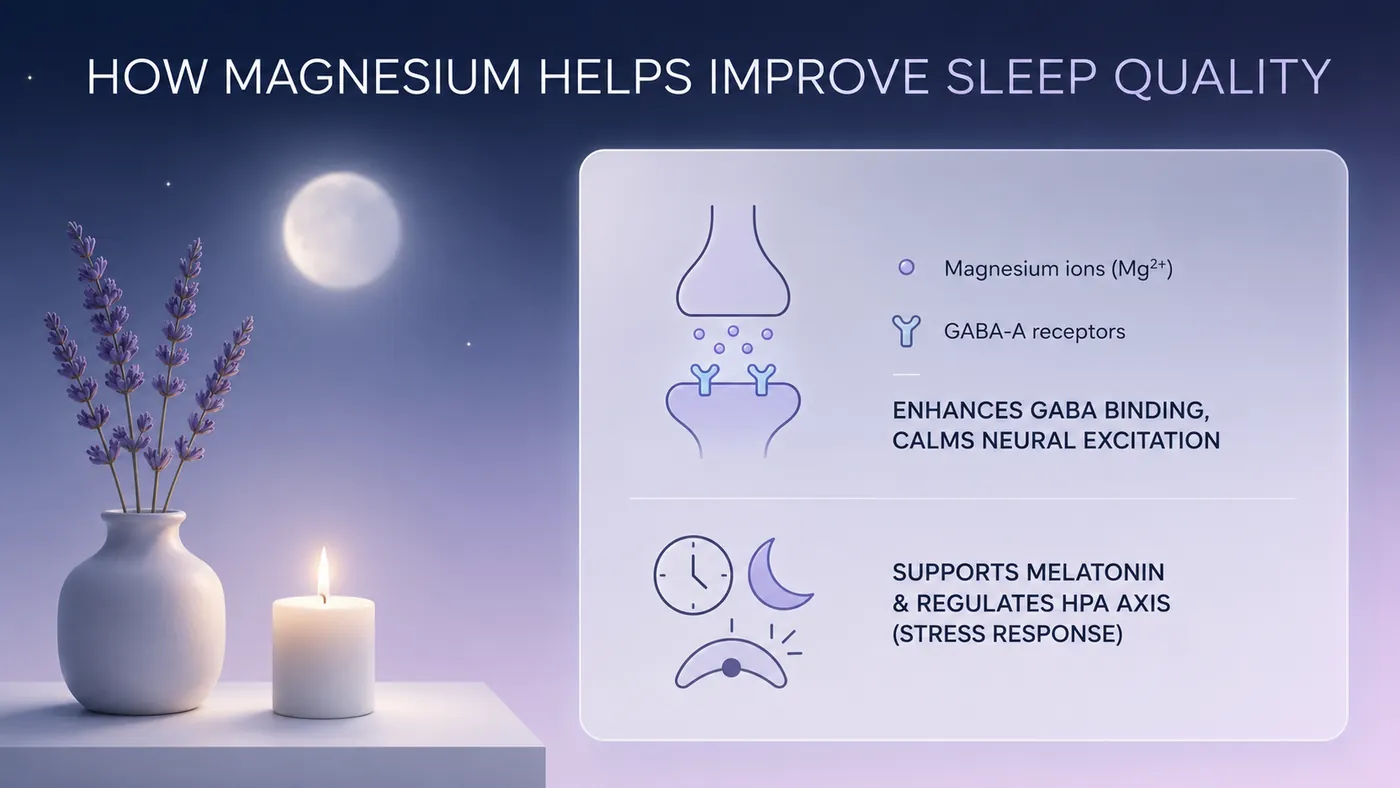
Magnesium plays an important role in supporting healthy sleep by helping regulate the nervous system. It supports the activity of gamma-aminobutyric acid (GABA), a neurotransmitter that promotes relaxation, and contributes to the production of melatonin, the hormone that regulates the body's sleep-wake cycle.
When magnesium levels are low, some people may experience:
- Difficulty falling asleep
- Frequent nighttime awakenings
- Muscle cramps or twitching
- Restless sleep
- Increased stress or nervous tension
- Morning fatigue
How magnesium helps improve sleep quality
Many people searching for the best magnesium supplement for sleep are looking for a natural alternative to conventional sleep aids. Unlike medications that may induce sleep directly, magnesium works by supporting the body's own sleep mechanisms.
Promotes relaxation
Magnesium helps regulate calcium movement into muscle and nerve cells. This process supports normal muscle relaxation and healthy nerve function, making it easier for the body to unwind after a busy day.
Supports a healthy nervous system
Stress is one of the leading causes of poor sleep. Magnesium plays an important role in supporting the nervous system by helping regulate neurotransmitters associated with relaxation and calmness.
Helps maintain healthy cortisol levels
Cortisol, often called the stress hormone, naturally rises in the morning and declines during the evening. Chronic stress, however, can disrupt this rhythm. Healthy magnesium levels support the body's normal stress response, helping create a better environment for restful sleep.
Supports melatonin production
Melatonin is often known as the body's sleep hormone. Magnesium contributes to the biochemical processes involved in melatonin production, helping maintain a healthy sleep-wake cycle.
Encourages better sleep quality
Sleep quality isn't just about sleeping longer, it also involves spending enough time in deep, restorative stages of sleep. Some research suggests that individuals with healthy magnesium levels may experience fewer nighttime awakenings and more refreshing sleep.
Can magnesium deficiency affect your sleep?
Yes. Although many factors influence sleep quality, magnesium deficiency may be one contributing factor for some individuals. Since magnesium is involved in regulating the nervous system and muscle function, low levels may make it harder for the body to relax before bedtime.
Some common signs that may be associated with low magnesium levels include:
- Difficulty sleeping
- Muscle cramps
- Restless legs
- Fatigue
- Irritability
- Occasional headaches
- Muscle twitches
Because these symptoms can have many possible causes, it's always advisable to consult a healthcare professional if you suspect a magnesium deficiency or experience ongoing sleep concerns.
How much magnesium do you need daily?
Getting enough magnesium each day is essential for supporting normal muscle function, nerve health, energy production, and restful sleep. The recommended daily intake varies based on age, gender, and life stage.
| Group | Recommended daily intake |
|---|---|
| Adult Men (19-30 years) | 400 mg |
| Adult Men (31+ years) | 420 mg |
| Adult Women (19-30 years) | 310 mg |
| Adult Women (31+ years) | 320 mg |
| Pregnant Women | 350-360 mg |
| Breastfeeding Women | 310-320 mg |
Many people can meet these requirements through a balanced diet that includes leafy green vegetables, nuts, seeds, legumes, and whole grains. However, factors such as poor dietary habits, digestive conditions, aging, or increased stress may make it difficult to maintain adequate magnesium levels.
Best forms of magnesium for sleep
Not all magnesium supplements are created equal. Different forms of magnesium have varying absorption rates and are used for different health goals. Understanding these differences can help you choose the best magnesium supplement for sleep based on your individual needs.
| Magnesium form | Benefits | Best for |
|---|---|---|
| Magnesium Bisglycinate | Highly absorbable, gentle on the stomach, supports relaxation | Sleep support, stress management, muscle relaxation |
| Aquamin® marine multi-mineral | Plant-derived, delivers magnesium + 72 trace minerals | Bone matrix, alkalising mineral support, daily wellness |
| Magnesium Chloride | Rapid absorption, supports muscle recovery | Athletes, post-workout cramps, quick replenishment |
| Magnesium Aspartate | Supports mitochondrial energy and muscle function | Daytime energy and muscle recovery |
| Magnesium Gluconate | Gentle on digestion, well absorbed | Daily maintenance and general magnesium support |
| Magnesium Citrate | Well absorbed but may have a mild laxative effect | Occasional constipation and magnesium deficiency |
| Magnesium Oxide | Higher elemental magnesium but lower absorption | Occasional digestive support rather than sleep |
When selecting the best magnesium supplement for sleep, highly absorbable forms such as magnesium bisglycinate are often preferred due to their ability to support relaxation without causing unnecessary digestive discomfort. A multi-form formula can also cover additional pathways such as bone health, energy, and muscle recovery.
How to choose the best magnesium supplement for sleep
With so many products available, choosing the right supplement can feel overwhelming. Focusing on quality and ingredient transparency can help you make a better decision.
Look for highly absorbable forms
Choose supplements containing forms such as magnesium bisglycinate, Aquamin®, chloride, aspartate, or gluconate, which are generally better absorbed by the body than magnesium oxide.
Check the elemental magnesium content
Many supplement labels list the total compound weight rather than the amount of elemental magnesium. Comparing the elemental magnesium per serving allows you to understand how much magnesium you're actually receiving.
Prioritise product quality
Choose supplements manufactured in facilities that follow strict quality standards. Products that undergo third-party testing provide additional confidence regarding purity, potency, and safety.
Avoid unnecessary fillers
A quality magnesium supplement should contain minimal artificial colours, preservatives, or unnecessary additives. Reading the ingredient label carefully can help you make an informed choice.
Select a convenient format
Magnesium supplements are available as capsules, tablets, powders, and gummies. Choose the format that best fits your daily routine to help maintain consistency.
Best time to take magnesium for sleep
Timing can make a difference when adding magnesium to your wellness routine.
| Time | Recommendation |
|---|---|
| Morning | Suitable for general wellness but not ideal for sleep support |
| Afternoon | Acceptable if it fits your routine |
| Evening (after dinner) | Recommended for most individuals |
| 30-60 minutes before bed | Generally considered the best time to support relaxation before sleep |
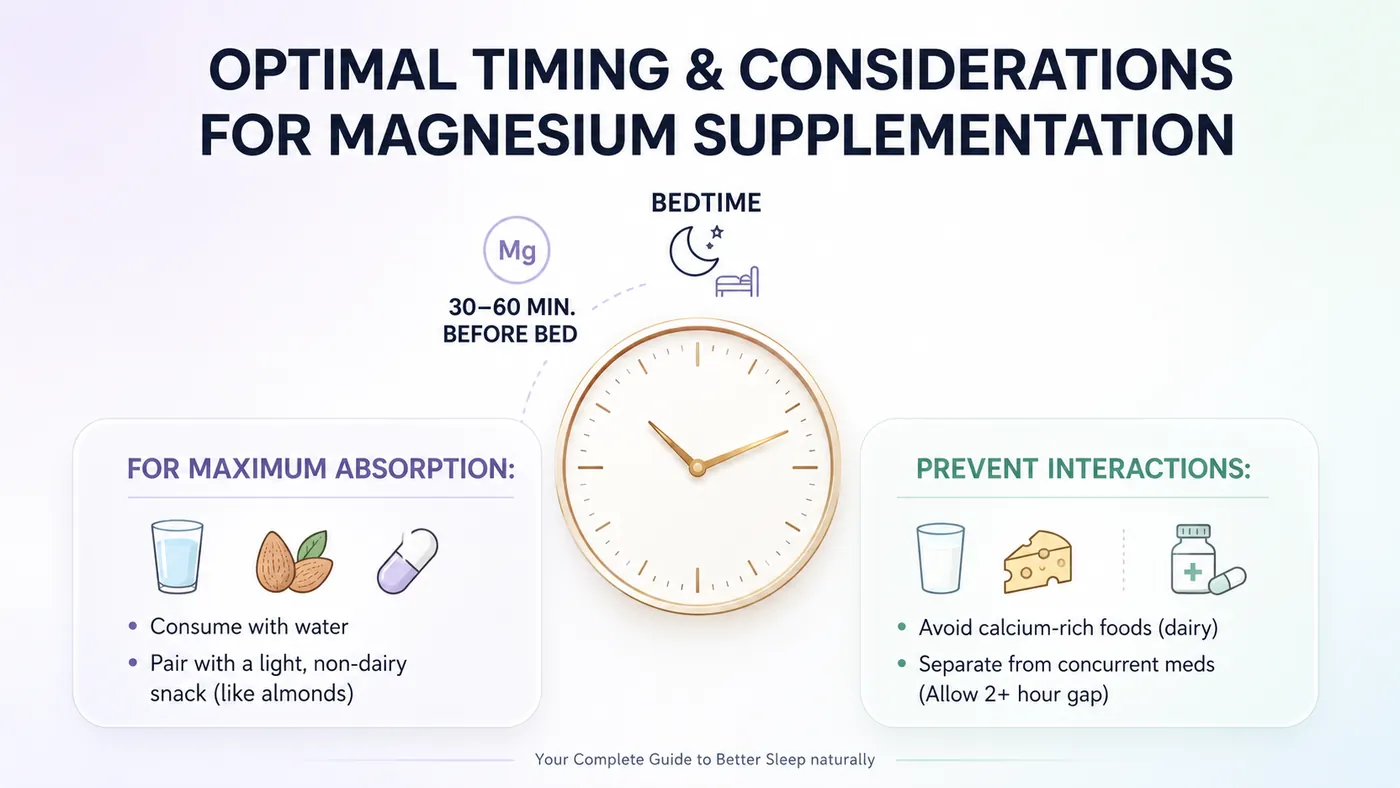
For best results, always follow the serving instructions provided on the product label or the advice of your healthcare professional.
Potential side effects and precautions
Magnesium supplements are generally well tolerated when taken according to the recommended dosage. However, taking excessive amounts may increase the likelihood of mild digestive side effects.
Some commonly reported side effects include:
- Mild stomach discomfort
- Diarrhoea
- Nausea
- Abdominal cramping
These side effects are more commonly associated with magnesium citrate and magnesium oxide than with magnesium bisglycinate. People with kidney disease, those taking medications such as antibiotics, diuretics, or thyroid medications, and pregnant or breastfeeding women should consult a healthcare professional before starting any magnesium supplement.
Who may benefit from a magnesium supplement?
A magnesium supplement may be a valuable addition to the wellness routine of individuals who are not getting enough magnesium through their diet or who are looking to support better sleep and overall health.
You may benefit from the best magnesium supplement for sleep if you:
- Experience occasional difficulty falling or staying asleep
- Have a stressful lifestyle and want to support relaxation
- Frequently experience muscle cramps or muscle tightness
- Are physically active and want to support muscle recovery
- Consume a diet low in magnesium-rich foods
- Are an older adult, as magnesium absorption may decline with age
- Want to support overall nervous system and muscle function
While magnesium supplements can support overall wellness, they should not replace a balanced diet or healthy sleep habits. If you have a medical condition or take prescription medications, consult your healthcare professional before starting any supplement.
Additional health benefits of magnesium
Although many people search for the best magnesium supplement for sleep, magnesium contributes to many other essential functions throughout the body.
Supports muscle function
Magnesium plays an important role in normal muscle contraction and relaxation.
Promotes heart health
Magnesium contributes to normal heart muscle function and helps maintain healthy blood pressure.
Supports strong bones
Approximately 60% of the body's magnesium is stored in bones.
Supports energy production
Magnesium is involved in converting food into energy.
Nervous system function
Healthy magnesium levels support communication between the brain and the body.
Healthy blood sugar metabolism
Magnesium is involved in several processes related to glucose metabolism and insulin function.
Mag Absorb Pro, five forms, one stack
Finding the best magnesium supplement for sleep involves more than simply choosing any magnesium product. Quality, absorption, and ingredient selection all play an important role in getting the most from your supplement. Mag Absorb Pro combines Aquamin®, magnesium chloride, magnesium aspartate and magnesium gluconate so every transport pathway is covered, bone matrix, mitochondrial energy, muscle relaxation and daily maintenance, at research-backed doses.
Sleep better, naturally
Quality sleep is essential for overall well-being, and maintaining healthy magnesium levels may help support your body's natural sleep cycle. Choosing the best magnesium supplement for sleep means selecting a high-quality, well-absorbed formula that suits your individual needs.
While magnesium can support relaxation and restful sleep, it works best alongside healthy habits like a balanced diet, regular exercise, stress management, and a consistent bedtime routine. Small, consistent changes can make a big difference. Choose the right magnesium supplement, build healthy sleep habits, and take a step toward more restful nights and refreshed mornings.
Frequently asked questions
Which type of magnesium is best for sleep?
Magnesium glycinate is often considered one of the best forms for sleep because it is highly absorbable and gentle on the stomach. A multi-form formula such as Mag Absorb Pro combines Aquamin®, chloride, aspartate and gluconate to cover relaxation, recovery and daily maintenance.
Can magnesium help you sleep better?
Magnesium supports the body's natural relaxation processes by helping regulate the nervous system and supporting the production of neurotransmitters involved in sleep. While it isn't a sleep medication, maintaining healthy magnesium levels may contribute to better sleep quality.
When is the best time to take magnesium for sleep?
Many people take magnesium 30 to 60 minutes before bedtime. Taking it after dinner or with a light snack can make it easier to include in your nightly routine.
How long does it take for magnesium to work for sleep?
Results vary from person to person. Some people notice improvements within a few days, while others may take several weeks of consistent use, especially if they have low magnesium levels.
Can I take a magnesium supplement every night?
For most healthy adults, magnesium can be taken daily when used as directed. If you have kidney disease, are pregnant, or take prescription medications, consult your healthcare professional before using a magnesium supplement.
The formulation behind this article
Mag Absorb Pro
Four magnesium forms for sleep, muscle recovery & calm
Aquamin® Marine Magnesium
100 mgForm used: Aquamin® marine-derived multi-mineral magnesium (branded, standardised extract)
Multi-mineral magnesium from red marine algae (Lithothamnion sp.), supports sustained mineral delivery for joint comfort, bone structure and recovery.
Magnesium Bisglycinate
200 mgForm used: Liposomal magnesium bisglycinate (fully reacted chelate, phospholipid-encapsulated)
Highly bioavailable, gentle-on-gut chelate, the gold standard for relaxation, sleep onset and stress recovery.
Food supplement, not a medicine. Ingredient research describes individual actives and their delivery forms, not finished-product outcomes. Consult a clinician if pregnant, lactating or on prescription medication.
References
Every in-text claim in this article is credited to the original researchers and peer-reviewed journal below. Key studies cited: Abbasi B et al. (2012, Journal of Research in Medical Sciences); Boyle NB et al. (2017, Nutrients); de Baaij JH et al. (2015, Physiological Reviews); Rosanoff A et al. (2012, Nutrition Reviews).
- [1]
The effect of magnesium supplementation on primary insomnia in elderly: A double-blind placebo-controlled clinical trial
- Author(s)
- Abbasi B, Kimiagar M, Sadeghniiat K, Shirazi MM, Hedayati M, Rashidkhani B
- Year
- 2012
- Journal
- Journal of Research in Medical Sciences
- Citation
- Abbasi B, Kimiagar M, Sadeghniiat K, et al. The effect of magnesium supplementation on primary insomnia in elderly: A double-blind placebo-controlled clinical trial. J Res Med Sci. 2012;17(12):1161-1169.
- PubMed
- https://pubmed.ncbi.nlm.nih.gov/23853635/
- [2]
The effects of magnesium supplementation on subjective anxiety and stress, a systematic review
- Author(s)
- Boyle NB, Lawton C, Dye L
- Year
- 2017
- Journal
- Nutrients
- Citation
- Boyle NB, Lawton C, Dye L. The effects of magnesium supplementation on subjective anxiety and stress, a systematic review. Nutrients. 2017;9(5):429.
- PubMed
- https://pubmed.ncbi.nlm.nih.gov/28445426/
- [3]
Magnesium in man: implications for health and disease
- Author(s)
- de Baaij JH, Hoenderop JG, Bindels RJ
- Year
- 2015
- Journal
- Physiological Reviews
- Citation
- de Baaij JH, Hoenderop JG, Bindels RJ. Magnesium in man: implications for health and disease. Physiol Rev. 2015;95(1):1-46.
- PubMed
- https://pubmed.ncbi.nlm.nih.gov/25540137/
- [4]
Suboptimal magnesium status in the United States: are the health consequences underestimated?
- Author(s)
- Rosanoff A, Weaver CM, Rude RK
- Year
- 2012
- Journal
- Nutrition Reviews
- Citation
- Rosanoff A, Weaver CM, Rude RK. Suboptimal magnesium status in the United States: are the health consequences underestimated? Nutr Rev. 2012;70(3):153-164.
- PubMed
- https://pubmed.ncbi.nlm.nih.gov/22364157/
Citations follow AMA format. TruWe does not own or endorse the linked journals; all rights and credit remain with the original authors and their respective publishers.
This article is for general education only and is not a substitute for medical advice. Consult a qualified clinician before starting any supplement, especially if you take medication or have a kidney condition.